Speaker Bios
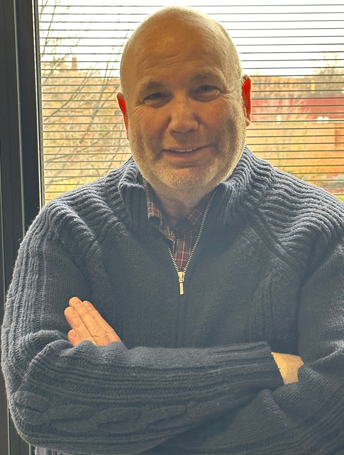 Michael Boland, Ph.D., Professor of Agricultural Economics at North Dakota State University
Michael Boland (Mike) is the AgCountry Farm Credit Endowed Professor of Agribusiness Finance at North Dakota State University, where he focuses on executive education and research related to risk management and governance in agricultural and food supply chains beyond the farm gate. Previously, he held the Koller Endowed Professorship in Agribusiness Management and Information Technology at the University of Minnesota. Mike has taught extensively in agribusiness, cooperatives, farm management, agricultural supply chains, and food policy, with courses reaching students across business, public affairs, and agricultural sciences. His graduate course on food and agribusiness and food security was among the University of Minnesota’s largest graduate classes in 2023. Mike’s research examines governance, value creation, and institutional arrangements within food and agricultural supply chains, and his work has taken him to more than 100 countries. He has worked with over 100 boards of directors globally on finance, equity management, strategic planning, and governance. Mike has received top teaching awards from both the University of Minnesota and Kansas State University. He is a Certified Corporate Director, a member of Harvard’s PAPSAC food policy group, and a former board member of Select Sires, Inc. and UniGroup, Inc. He also has an ownership interest in a cattle ranch in Argentina and comes from a production agriculture background in Minnesota.
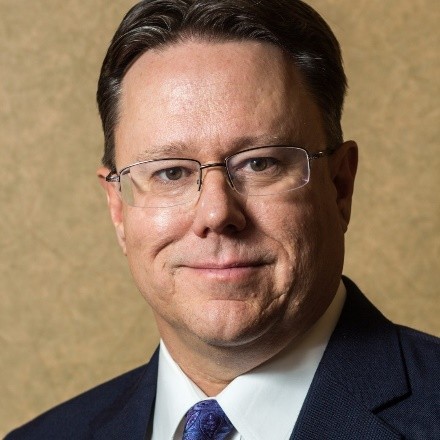 Paul E Bush, President and CEO of Calcot, Ltd
Paul E. Bush is President and CEO of Calcot, Ltd., a grower-owned cotton marketing cooperative based in Bakersfield, California. He has worked with Calcot for more than 27 years, beginning as a field representative serving growers across Southern California, Arizona, New Mexico, and Texas, and later serving as Vice President overseeing Southwest U.S. operations, including logistics, warehouse operations, and member and gin manager support. Paul assumed the role of President and CEO in 2018 and is the eighth chief executive in Calcot’s nearly 100-year history, reporting directly to the board and guiding the cooperative’s strategy to maximize returns for cotton producers. He holds a Bachelor of Science in Agricultural Economics from the University of Arizona and completed post-graduate work at Texas Tech University. Prior to joining Calcot, Paul held management positions with King Ranch, Inc. and Chickasha Cotton Oil Company, gaining experience in warehouse management, accounting, and gin operations. He is deeply involved in cotton industry leadership and currently serves on the boards of the National Cotton Council, Texas Agricultural Cooperative Council, and Amcot, the organization representing U.S. cotton marketing cooperatives. Paul is also a graduate of the National Cotton Council’s Cotton Leadership Program.
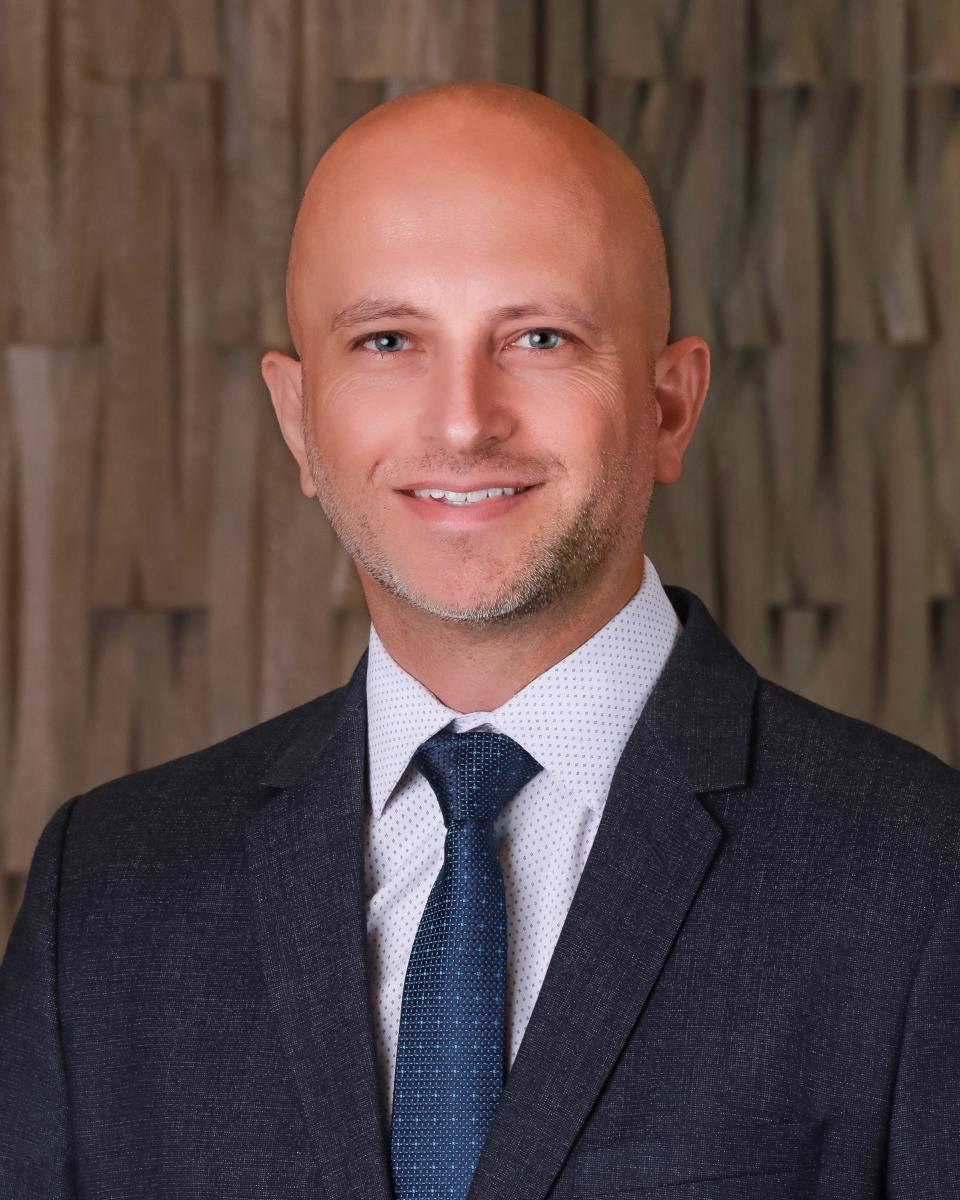 Preston Cardinet, Principal, CLA (CliftonLarsonAllen LLP)
Preston specializes in serving food, beverage, and agriculture clients at CLA, with a particular focus on cooperatives and privately held businesses. He has been with CLA since 2017, joining the firm after serving as a tax manager at Ernst & Young, where he worked closely with individuals and businesses ranging from privately owned enterprises to publicly traded Fortune 500 companies. At CLA, Preston is able to align his professional expertise with his passion for supporting privately held businesses and their owners, helping them navigate complex income tax needs. Preston’s technical experience includes general income tax compliance for flow-through entities, corporations, individuals, and trusts; preparation and review of ASC 740 income tax provisions; and specialized work in cooperative taxation, including agricultural marketing, food processing, farm supply, and grocery cooperatives. His background also includes international income tax planning and reporting, as well as tax planning for high-net-worth individuals and business owners. Preston holds both a Bachelor of Science in Accounting and a Master of Accountancy from Brigham Young University in Provo, Utah. He is a member of the American Institute of Certified Public Accountants, the California Society of Certified Public Accountants, and the National Society of Accountants for Cooperatives.
 Jack Huerter, Partner and Co-Chair, Dorsey + Whitney LLP
Jack is a Partner at the Dorsey & Whitney law firm, and Co-Chair of the firm’s Cooperative Law Practice. In his coop practice, Jack advises coops on a wide variety of issues ranging from commercial disputes to entity formation to governance and policy development. In his litigation practice, Jack represents clients in complex litigation often involving government investigations, fiduciary duty disputes, and thorny commercial contract issues. A significant portion of Jack’s work focuses on serving clients in the food, agriculture, energy, and financial services industries. Through his courtroom advocacy work, Jack manages all aspects of litigation, from the pleadings stage to trial, and has extensive experience with civil motion practice and complex discovery. In all aspects of his work, Jack draws upon the experiences he gained working in each of the three branches of government. Jack formerly served as a Senior Policy Advisor in the United States Congress, where he advised senior members of the House and Senate Agriculture Committees, and also worked at USDA as an aide to the Under Secretary for Rural Development. Immediately prior to joining Dorsey & Whitney, Jack served as a judicial law clerk in the United States District Court for the District of Minnesota.
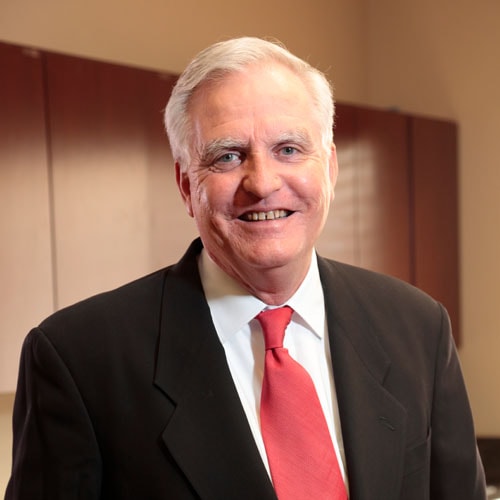 Michael Kelley, President & CEO, Central California Almond Growers Association.
Mr. Kelley is originally from California’s Imperial Valley where his family farmed 3,500 acres of cotton, wheat and alfalfa in the northern end of this productive agricultural region. He is a 1987 graduate of the University of Southern California and began his career farming as well. Early in his career he took a position working as a Gin Manager for Producers Cotton Oil Company in California and Arizona. Later he worked as the Western Director of Field Services for the National Cotton Board for 9 years before assuming his current position. The Association is among the largest hulling and shelling co-ops that crack-out in excess of 110,000,000 meat equivalent pounds of almond meats in a 100-day period each year. The Association operates at two sites in Central California; one in Sanger, which is east of Fresno and three near Kerman, on the west side of the San Joaquin Valley. Mr. Kelley has been in his position for the past 21 years and has found it to be a very rewarding experience in providing superior almond hulling and shelling services to their 380 owner members and creating a good place to work for their highly valued employees.
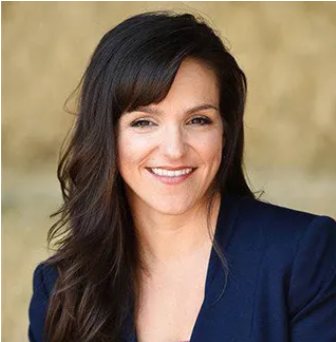 Emily Rooney, President, Agricultural Council of California
Emily joined Ag Council in 2008 and became President in 2010. She manages the organization and handles regulatory and budget policy matters on behalf of Ag Council members. Prior to her work with Ag Council, Emily served as director of farm policy for the California Farm Bureau Federation where she represented the interests and objectives of California’s farmers and ranchers as they relate to farm policy, tax and biotech issues before the U.S. government and administrative bodies. In addition, Emily has legislative experience in Washington, D.C. where she worked for two members of Congress advising on issues including agriculture, budget, taxes and judiciary matters. Emily comes from an agricultural background in San Joaquin County where her family owns a beef cattle and sheep operation just outside of Lodi. Emily is a graduate of the University of California, Davis and Class 39 of the California Agricultural Leadership Program.
 Lawrence P. Schnapp, Vice President-Law & General Counsel of Sunkist Growers Inc.
Lawrence Schnapp has worked at Sunkist Growers since 2018, where he serves as Vice President – Law and General Counsel. In this role, he oversees the cooperative’s legal affairs and provides strategic counsel on governance, regulatory compliance, corporate transactions, and organizational restructuring for one of the nation’s largest and most complex agricultural cooperatives.
Prior to joining Sunkist, Mr. Schnapp practiced as a securities attorney for more than 30 years, advising publicly traded and privately held companies on a wide range of matters including securities regulation, corporate governance, mergers and acquisitions, and disclosure obligations. His extensive background in corporate and securities law informs his current work supporting Sunkist’s evolution within a changing citrus industry and broader agricultural landscape.
Mr. Schnapp is a graduate of the Wharton School of Business at the University of Pennsylvania and the UCLA School of Law. He brings deep experience at the intersection of law, finance, and governance, with a particular focus on navigating complex organizational change.
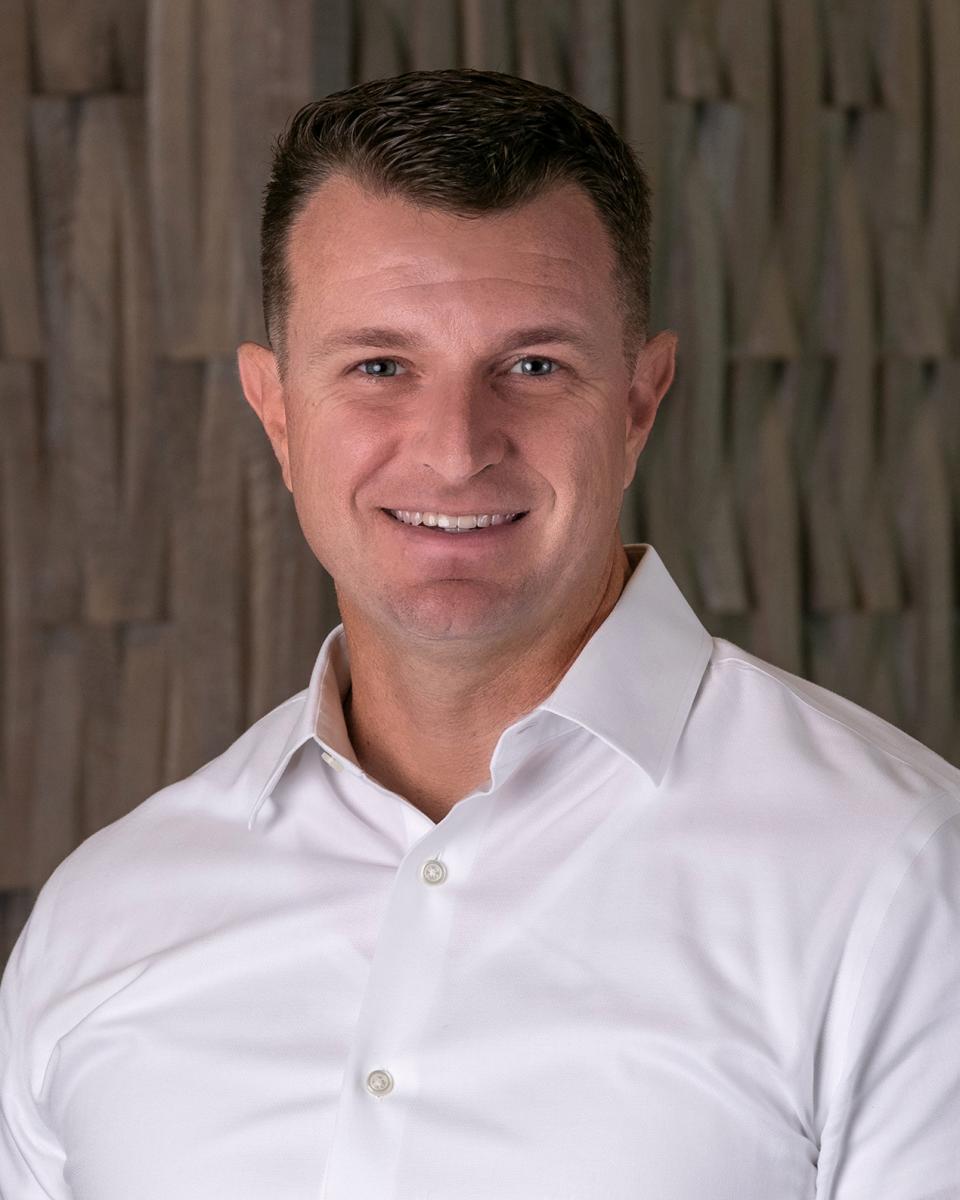 Robby Walker, Principal, CLA (CliftonLarsonAllen LLP)
Robby Walker is a tax principal at CLA’s Sacramento office with 20 years of experience serving California clients in agriculture, cooperatives, and food and beverage industries. With over 130 locations in the U.S., including fourteen in California, CLA creates opportunities through industry-focused audit, tax, outsourcing, digital, consulting, and wealth advisory services. As CLA’s national agribusiness and cooperatives industry leader, he provides tax and consulting services to cooperatives and members. Robby holds a CPA designation and helps clients navigate complex regulations, optimize financial performance, and achieve strategic goals. His deep understanding of cooperative structures and agricultural operations has earned him a reputation for delivering insightful and actionable advice. Robby is a frequent speaker, contributing to thought leadership in the cooperative and agricultural sectors. He has presented at numerous conferences and seminars, sharing his expertise on topics ranging from fiscal management to governance and compliance. Robby's commitment to excellence and passion for supporting these communities make him an invaluable resource in advancing their financial stability and long-term success.